

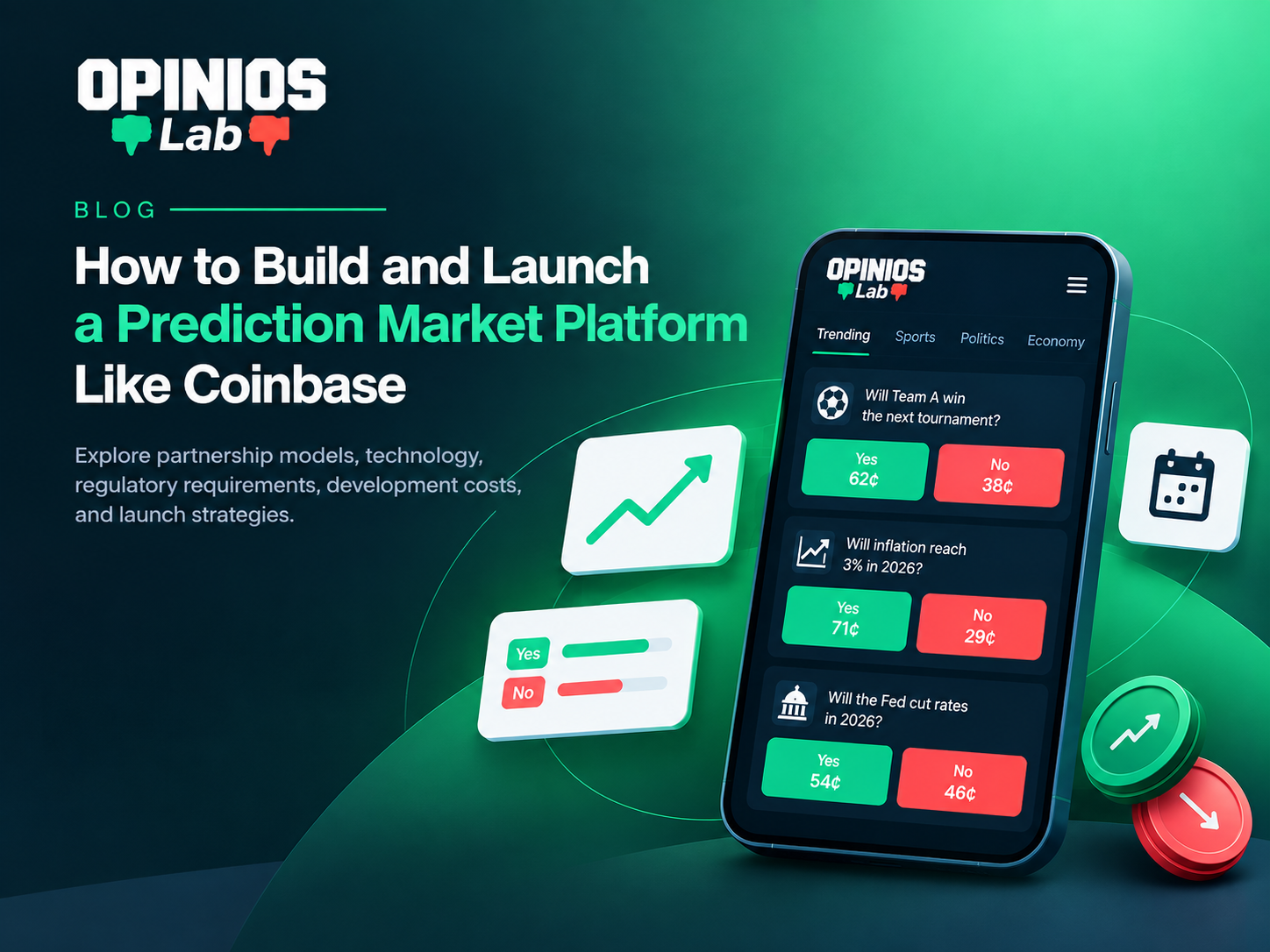
Imagine opening your favourite financial app and finding a new way to trade your opinions about the future. Instead of buying stocks or cryptocurrencies, you can predict whether a particular event will happen. Will a team win a major tournament? Will inflation reach a specific level? Will a particular economic event take place? This is the idea behind prediction markets, and the industry is growing rapidly. According to recent industry data, Kalshi and Polymarket recorded approximately $66.7 billion in combined volume during the first four months of 2026. Bernstein has also projected that the industry could reach around $240 billion in 2026 and approach $1 trillion by 2030. These figures should be independently verified before publication because the market is changing quickly. Coinbase's entry into prediction markets has attracted particular attention. Rather than building an entire prediction market exchange from the ground up, Coinbase launched its Predict offering through a partnership with Kalshi, a regulated prediction market operator. This approach raises an important question for entrepreneurs and fintech businesses. Should you build your own prediction market platform, or partner with an existing exchange? In this guide, we will explore how Coinbase approached the market, the technology behind prediction platforms, regulatory considerations, development costs, and the steps involved in launching your own solution. Whether you want to create a platform like Coinbase, build an independent prediction exchange, or introduce prediction features into an existing financial application, this guide will help you understand the process.

22nd September 2026